comparisons
Seiko 5 Sports SRPD vs Orient Kamasu: which diver wins?
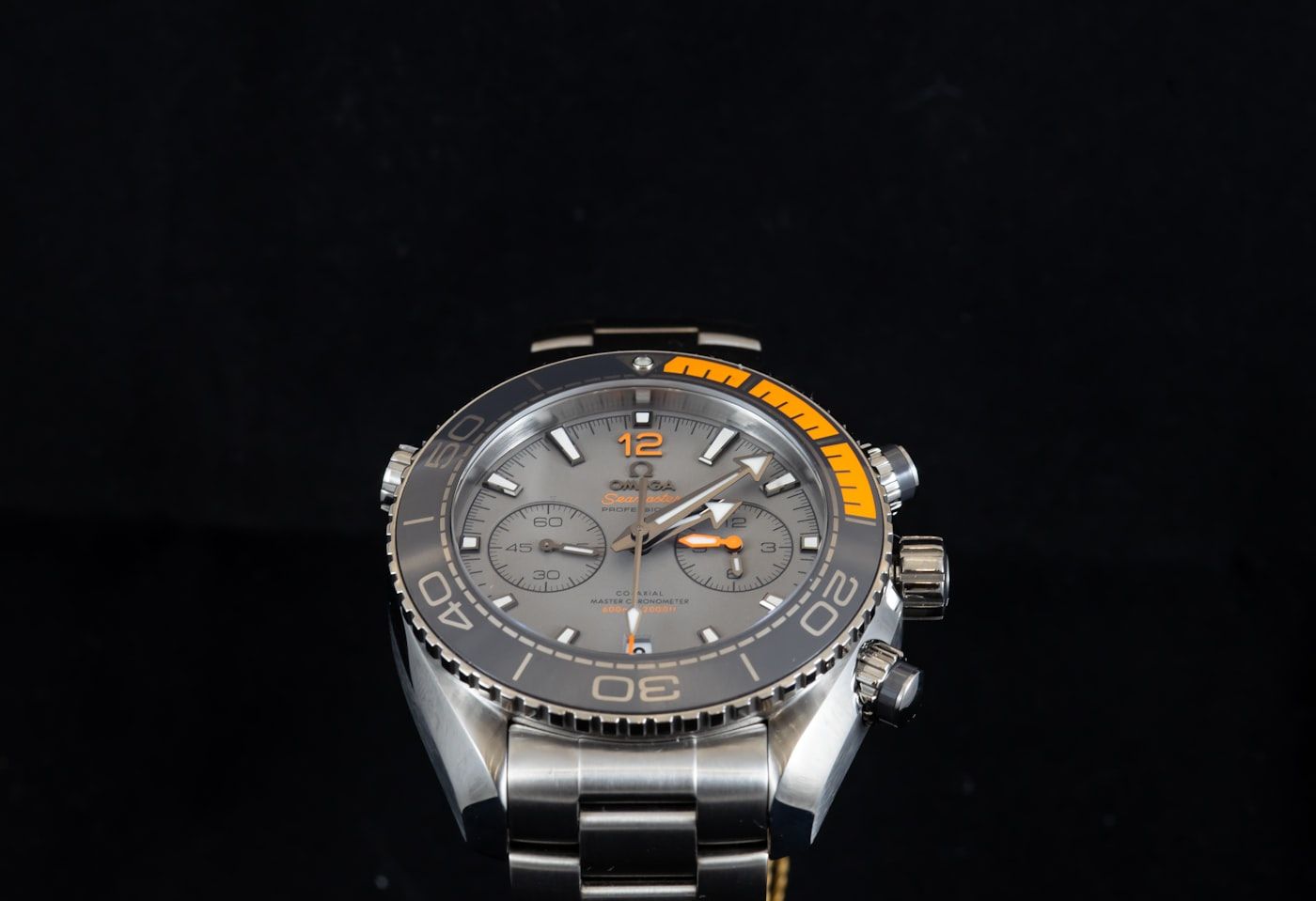
These are the two affordable Japanese automatic divers people actually cross-shop, and the honest split comes down to a simple trade: crystal and water resistance on one side, day-date and sheer ubiquity on the other.
The specs, side by side
Seiko 5 Sports SRPD — the 4R36 movement (24 jewels, 21,600 bph, ~41h reserve), hacks and hand-winds, with a day-date. Case around 42.5mm, 100m water resistance, and a Hardlex (mineral) crystal. Many references show off the movement through a see-through caseback.
Orient Kamasu — the F6922 movement (22 jewels, 21,600 bph, ~40h reserve), also hacks and hand-winds, date only. Case around 41.8mm, 200m water resistance, and — the headline — a sapphire crystal.
Where the Kamasu wins
On paper, the Kamasu simply gives you more diver for your taka: sapphire shrugs off the scratches that mineral crystals collect, and 200m water resistance is double the Seiko’s. Orient also quotes a tighter factory accuracy than Seiko’s famously wide 4R36 tolerance — though in practice both usually regulate down to a rate you’ll be happy with.
Where the Seiko wins
The Seiko answers with the things that make a watch easy to live with and easy to sell: a genuinely useful day-date, that display caseback on many refs, and — not to be underrated — a massive aftermarket and mod ecosystem plus instant resale recognition. If you might flip it later, the SRPD is the easier watch to move.
The verdict
Both wear similarly at roughly 42mm and both suit our climate on a bracelet, rubber or nylon strap — and neither is for actual saturation diving, whatever the dial says.
- Want the most spec-per-taka (sapphire + 200m)? Take the Kamasu.
- Want day-date, resale familiarity and endless modding? Take the SRPD.
There’s no wrong answer here, only priorities. Tell us which of those two things matters more to you and we’ll point you at the right one — and check what we’ve got in stock.