straps
Measure your lug width and pick the right strap in BD
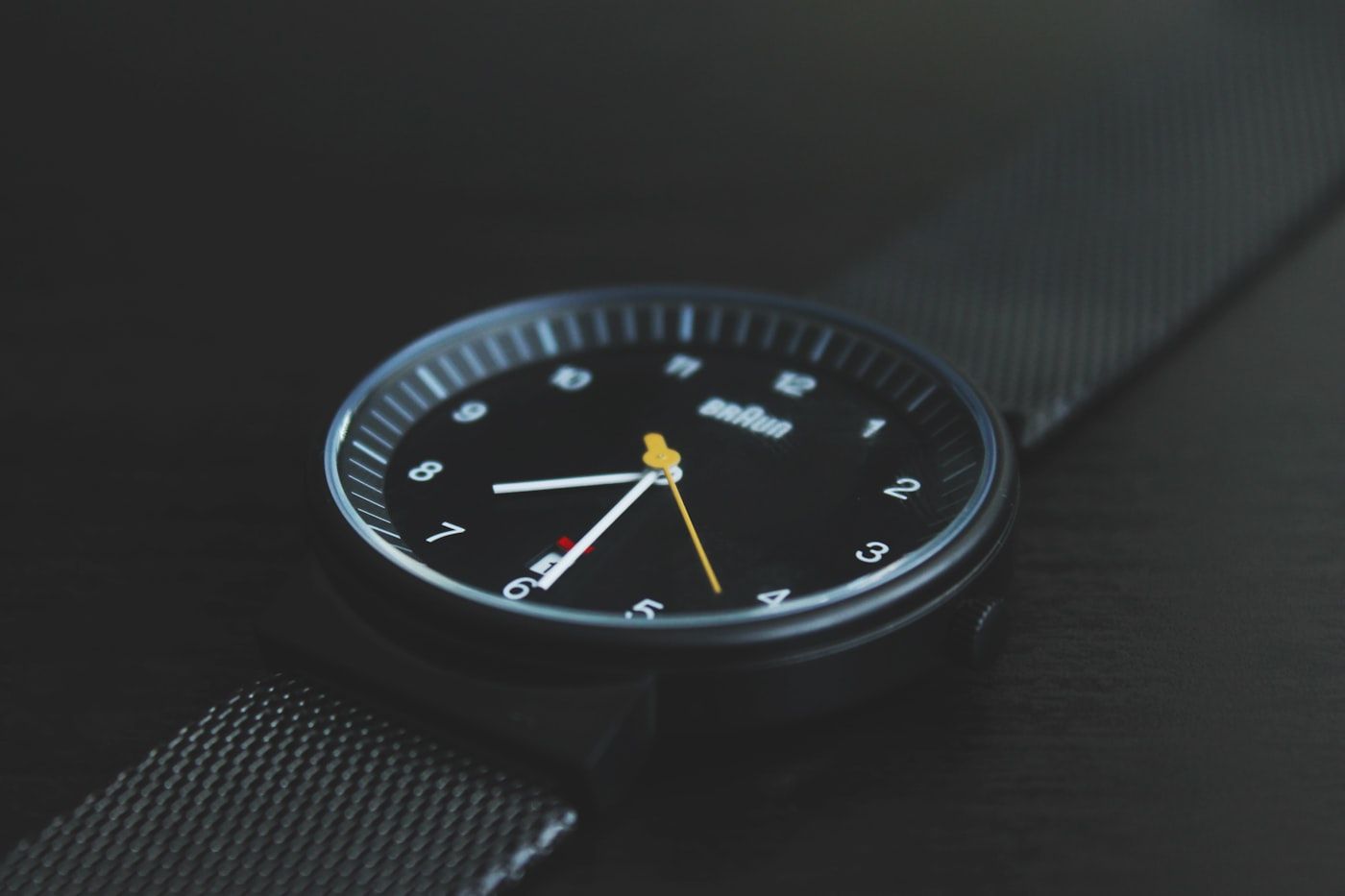
A fresh strap is the cheapest way to make a watch you already own feel new. But it only works if you buy the right size — so start here.
Find your lug width
Lug width is the inner gap between the lugs, where the strap sits. Measure inside, against the case walls, with calipers or a millimetre ruler. That number — in millimetres — is your strap size.
Most watches are 18mm, 20mm or 22mm. As a rough map: 20mm dominates casual and dress watches, 22mm is typical for divers and sports watches, and 18mm turns up on smaller and vintage pieces. (The Orient Bambino, for reference, is 22mm.) If your reading falls between two sizes, round to the nearest whole millimetre — too narrow leaves gaps, too wide simply won’t fit.
The shortcut: flip over a strap you already own. The width is usually stamped near the buckle end, often as a single number (“20”) or a taper (“20/16”).
Pick a strap that survives the climate
This is where Bangladesh changes the answer. In our heat and humidity:
- Nylon / NATO is the standout — breathable, quick-drying and cheap to replace. It’s our sweat-season default.
- Rubber (ideally FKM) is next best for sweat and water: durable and easy to rinse, though it can feel a little sticky on the very hottest days.
- Leather looks the best and suffers the most. Sweat and humidity rot the underside quickly, so keep it for dress use and accept that you’ll replace it periodically.
- Bracelets handle sweat fine and clean up easily, but they trap heat and need the odd clean where grime collects.
The practical kit
Own two straps per watch — a nylon or rubber for daily heat, and a leather for occasions. Once you know your lug width, swapping between them is a two-minute job. Tell us your watch and your lug width and we’ll help you pick a pair that actually lasts here.